Protect Your Pipes
Protect your pipes and think before you sink. Our sewerage network is not designed to handle fats, oils, grease, food scraps, medicines and chemicals. Please keep these items out of your sinks and drains, they can cause blockages to your pipes and also be harmful to our sewerage system and the environment.
Think Before You Sink
Our sewerage network is not designed to handle fats, oils, grease, food scraps, medicines and chemicals.
- Use a sink strainer to prevent food scraps from going down the drain and dispose of them in your red lid bin. If you have a compost bin or worm farm, remember to put your fruit and vegetable scraps in this.
- It is important that paints, chemicals and motor oils are never put down the sink or drain. Dispose of chemicals and paints through Chemical Cleanout Events or recycle them along with motor oils at Buttonderry Community Recycling Centre free of charge.
- Let grease, oils and fats cool down and then dispose of them by pouring or scraping into a sealable container, or a small piece of aluminium foil. Wipe any residue from pots or pans with paper towel. Place the paper towel and the sealed container in the red lid general waste bin for disposal.
- Dispose of unwanted or out of date medications via participating Return Med pharmacies.
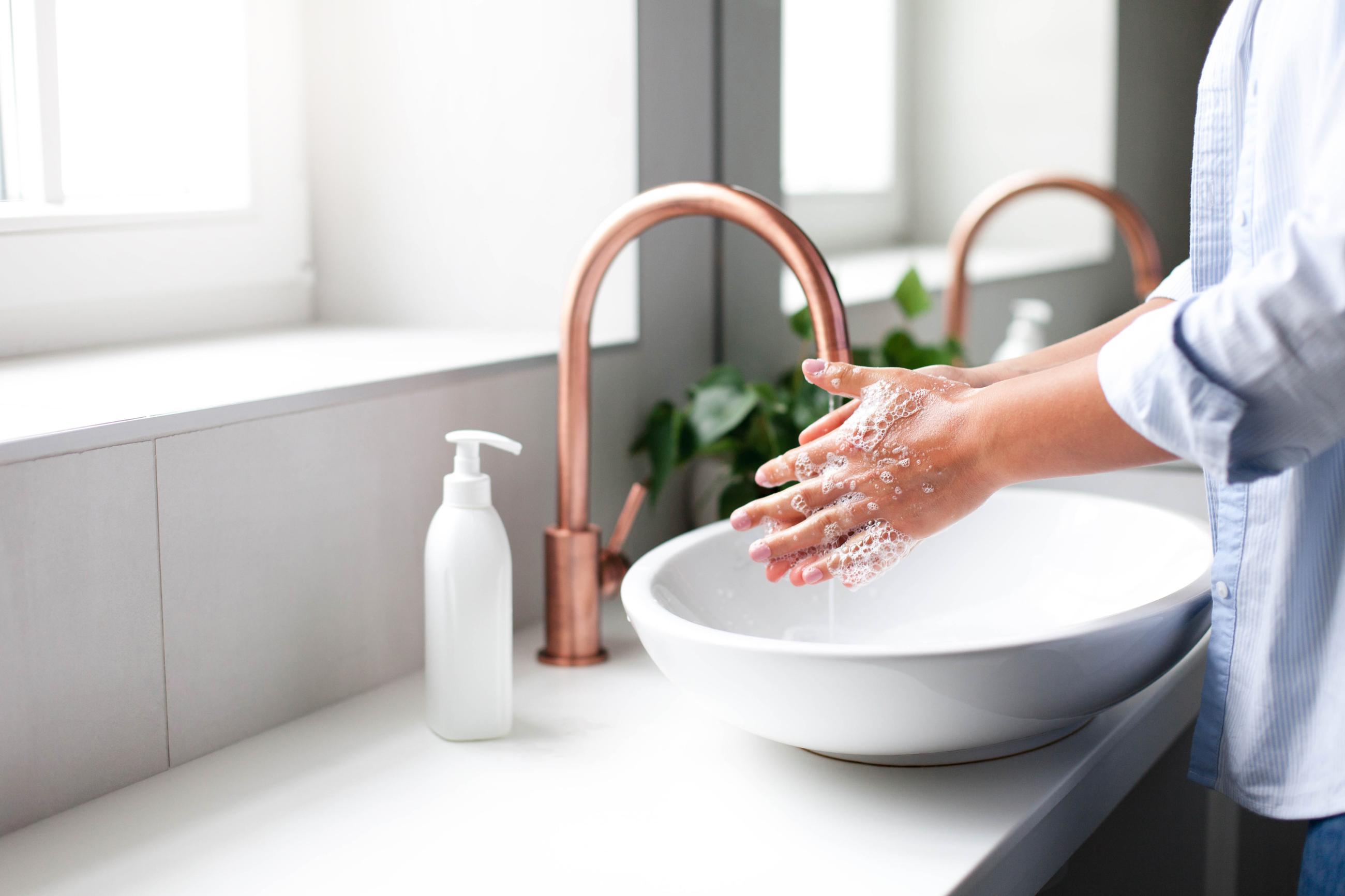
Ensure only water, soap, and toothpaste go down your sink drains and only flush pee, poo and toilet paper in your toilet.
Smart Planting Tips
Creating a beautiful garden starts with smart choices. The plants you select and where you place them can protect your home’s plumbing and save you from costly repairs. By understanding how roots behave and planning ahead, you’ll keep your garden thriving without risking damage to sewer pipes.
Planting near sewer pipes
Tree roots love sewer pipes, but they can cause serious damage. To keep your pipes safe, avoid planting trees, shrubs, and plants with invasive root systems near sewer lines.
Why it matters
Roots naturally seek water and nutrients underground. Sewer pipes provide an easy source, and roots can grow around or even inside them, leading to costly damage and blockages.
What you can do
- Choose wisely: Select plants with non-invasive root systems, such as grasses and garden plants with shallow, fibrous roots.
- Plan ahead: Before planting, check your property’s water and wastewater pipe locations. Keep trees at least 3 metres away from underground pipes.
- Install root barriers: Consider using a root barrier when planting trees. These tough liners wrap around the base of the plant and prevent roots from spreading deep into the soil.
- Get expert advice: Your local nursery or an arborist can recommend safe species and planting techniques.
Recommended plant-safe options
These species are generally considered safe near sewer pipes because they have shallow, non-invasive roots:
- Grasses: Couch, Buffalo, Zoysia
- Groundcovers: Native Violet (Viola hederacea), Dichondra
- Shrubs: Bottlebrush (Callistemon), Grevillea (small varieties)
- Small Plants: Lavender, Rosemary, Kangaroo Paw (Anigozanthos)
- Succulents: Aloe, Agave (small species)
Avoid planting: large trees like Figs, Willows, Jacarandas, Camphor Laurel, and any species known for aggressive root systems. Your local nursery or an arborist can recommend safe species and planting techniques.
Liquid Trade Waste
Proper liquid trade waste management is essential to protect the environment, comply with regulations, and save money. Businesses proposing to discharge liquid trade waste into a Council sewer must obtain prior approval. Find information on fees and charges exceptions and the application process via Liquid trade waste | Central Coast Council.
Small actions can make a big difference in reducing waste and maintaining a safer sewer system.
Mechanical workshop: Don't Waste It, Maintain It
It’s time to shift gears when it comes to trade waste management.
- Ensure vehicles are within the bunded area.
- Use quick-break detergents for better oil separation.
- Dry clean oil spills and scrape up grease blobs before washdown.
- Screen pump intakes to block nuts and washers.
- Only use cleaning compounds compatible with your system.
- Store oils, chemicals, and solvents in a separate bunded area.
- Never discharge petrol, diesel, oil, or flammable substances down the drain.
Restaurant Trade Waste: Capture Spills to Reduce Bills
It’s time to turn the table on trade waste management.
- Dry sweep floors before washing to keep waste out of drains.
- Use foil to catch grease and oil around stoves and fryers.
- Minimise oil and fats in cooking.
- Pre-wipe dishes into the scrap bin before washing.
- Store oils and chemicals securely to prevent spills entering drains.
- Collect used oil and fats for recycling by an authorised provider.